A lease violation in California typically triggers one of two notices: a 3-day notice to perform or quit (for curable violations like unauthorized pets or unpaid utilities), or a 3-day notice to quit (for incurable violations like illegal activity or significant property damage). Get the notice type wrong and you can lose the entire eviction case if it escalates. The body of this article walks through which violations require which notice and how to document properly.
But here’s the broader pattern from 8 years of managing rentals across North County San Diego: the same five violations account for roughly 80% of every lease-violation situation we see, and all five are addressable in the lease itself. If you’re reading this proactively, the prevention section below will save you the situation that brought most readers here.
For landlords in Carlsbad, Encinitas, San Marcos, Vista, Oceanside, or anywhere across North County San Diego, understanding how to spot and address lease violations is critical to protecting your investment and avoiding unnecessary legal risks.
A Real Story from Vista
Let’s start with a quick story.
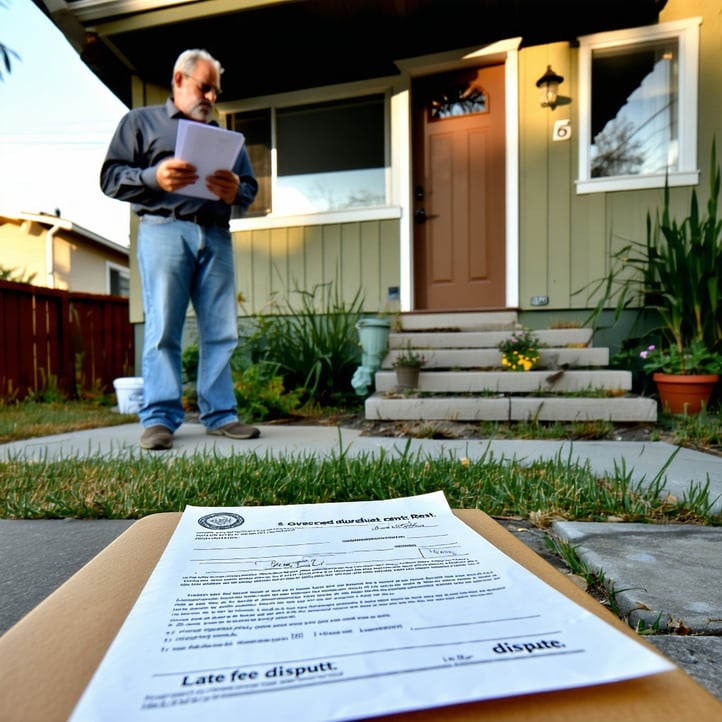
Eric owns a rental home in Vista. His tenant always paid rent on time, so he never had any reason to worry. But one day, a neighbor contacted Eric to say the tenant had turned the garage into a tattoo studio. Concerned but not wanting to overreact, Eric sent a casual text message asking them to stop. Nothing changed.
Weeks passed. Then months. Eric finally tried to evict the tenant, but when the case went to court, the judge asked: “Did you issue a proper notice?” Eric had to admit he didn’t. No formal 3-Day Notice to Perform or Quit. No proof of delivery. No documented timeline.
The judge sided with the tenant.
Eric had to restart the eviction process from scratch losing time, income, and patience.
The takeaway? When lease violations happen, you need a clear, legal process in place.
Staying compliant while enforcing a lease is a lot to carry on your own, and it is the day-to-day of how we manage Carlsbad rentals.
What Counts as a Lease Violation?
A lease violation occurs when the tenant breaks the rules you’ve outlined in the lease agreement. These violations can range from minor infractions to serious issues, including:
- Unauthorized occupants or pets
- Business activity conducted from the property
- Property damage or unauthorized alterations
- Smoking in non-smoking units
- Noise complaints or disturbances
- Non-payment or habitual late payment of rent
- Illegal activity (drug use, subletting without permission, etc.)
Each of these situations requires a specific response and documentation is key.
Step 1: Start With a Strong Lease
Everything begins with your lease. If your lease isn’t clear, it’s harder to enforce.
At Raintree Property Management, we use attorney-reviewed lease agreements that clearly define:
- What constitutes a violation
- Expectations for maintenance, noise, and guest limits
- Penalties for violations
- Processes for inspection and lease enforcement
A strong lease protects both you and the tenant and gives you a legal roadmap when something goes wrong.
Step 2: Respond Promptly with a Proper Notice
In California, most lease violations are addressed using a 3-Day Notice to Perform or Quit. This notice must:
- Clearly describe the lease violation
- Specify what the tenant needs to do to fix it (the “perform” part)
- Be delivered properly (in person, by substitute service, or by posting and mailing)
Examples:
- For unauthorized pets: “You have an unauthorized pet in the unit in violation of Paragraph X of your lease. You must remove the pet within 3 days or face legal action.”
- For property damage: “You altered the property without permission by installing fixtures. You must remove or repair them within 3 days.”
If the tenant doesn’t comply, you have the legal right to begin the eviction process but only if you issued the notice correctly.
Step 3: Document Everything
Documentation is your best protection in court.
Keep:
- A copy of the signed lease
- Photos of the violation, if applicable
- Copies of notices issued and proof of delivery
- Communication logs (texts, emails, etc.)
- Inspection reports
Starting in 2025, California law will require photographic documentation for many deduction and violation claims. So if your tenant damages the property or fails to fix a problem, you’ll need before-and-after photos to support your case.
Step 4: Know When to Take Legal Action
Not all violations can be resolved with a warning. If the issue is serious such as repeated noise complaints, drug use, or unauthorized subletting you may need to skip directly to termination or eviction procedures.
Make sure to consult a qualified attorney or work with a property management company familiar with California's just cause eviction rules (like AB 1482, when applicable).
Step 5: Keep a Consistent and Professional Tone
One mistake DIY landlords often make is being too casual with enforcement. Sending a friendly text instead of a formal notice might seem like a good idea but it doesn’t hold up in court.
Consistency is key. Treat every violation the same, follow the proper procedures, and avoid emotional reactions. This protects you from discrimination claims and strengthens your legal position.
The five lease provisions that prevent most violations
After 8 years and a few hundred lease cycles across North County, these are the violations that come up over and over, plus the lease language that addresses each.
1. Unauthorized pets
The most common curable violation. Lease language that helps: "Tenant agrees to a pet screening through PetScreening.com (or equivalent). Any pet not disclosed and approved in writing is a material violation. Daily fines of $25 per undisclosed pet apply from the date of discovery." Pair with a written pet addendum that lists every approved animal.
2. Unauthorized occupants and overnight guests
The second most common, and the one that escalates into the situations covered in our reclamation post. Lease language: "No guest may stay in the unit more than 14 nights in any 90-day period without written landlord approval. Unauthorized occupants are a material violation."
3. Unauthorized subletting and Airbnb listings
Especially relevant in coastal North County. Lease language: "Subletting in any form, including short-term rental platforms (Airbnb, VRBO, etc.), is prohibited and is grounds for immediate termination of tenancy."
4. Smoking
If you don’t have a smoking clause, you can’t enforce one. Lease language: "The premises are non-smoking. Smoking of any substance, indoors or on the patio, balcony, or yard, is a material violation."
5. Property condition and hoarding
The slowest-moving violation but the most expensive. Build in quarterly inspection rights: "Tenant agrees to allow Landlord to conduct quarterly maintenance inspections with 48 hours written notice." This catches the slow-build hoarding and damage situations that turn into $20k+ make-ready bills at move-out.
Where this actually goes wrong
Most lease violation situations I see come down to a lease that was either downloaded from a generic template, or built up over years without ever being audited. The California-specific clauses need to be in there explicitly: the 14-night guest rule, smoking, pet screening, inspection rights, anti-Airbnb.
If your North County property is in Carlsbad, Encinitas, Oceanside, San Marcos, or anywhere in North County and you’d like to see what a current, North County-specific lease looks like, we’d be happy to walk through ours when you’re considering a property manager.
Why This Matters for Landlords in North County San Diego
Lease violations aren’t just a hassle they’re a legal risk. Mishandling a violation could mean:
- Delayed evictions
- Lost rental income
- Court costs
- Tenant retaliation or complaints
At Raintree Property Management, we take care of all this for our clients. We identify violations early, issue proper notices, document everything, and when necessary work with legal counsel to resolve the situation quickly and legally.
Final Thoughts: Avoid Problems by Being Proactive
Lease violations are going to happen. The question is whether you’re prepared when they do. By having a clear lease, knowing how to issue legal notices, and documenting everything, you can protect your property and keep your rental business running smoothly.
The Carlsbad Landlord’s Profit Protection Kit (free)
The California Landlord Compliance Checklist inside this kit covers the lease provisions that prevent the five most common violations. Plus our North County rental market snapshot and the Tenant Screening Red Flags Worksheet.
No phone call required. We email it within 60 seconds.
Want a deeper reference for California landlord compliance, screening, and tax tracking? The Profit Protection Kit is a free four-document set: a CA compliance checklist, screening red-flags worksheet, rental tax tracker spreadsheet, and the current North County rental market snapshot. No phone call, no sales follow-up. Read at your pace.
Raintree Property Management, CalDRE 02073946.
Raintree Property Management | CalDRE #02073946 | North County San Diego