Almost everything written about whether being a landlord is worth it is written for somebody shopping for a rental property to buy. This isn't that. This is for the person who already has the house: the family that moved and kept the place, the owner who inherited it, the couple who bought a bigger home and couldn't quite bring themselves to sell the first one. Your question isn't "should I get into this." It's "now that I'm in it, is this worth keeping?"
The short answer: owning the rental is almost always worth it. Running it the hard way often isn't. In practice, being a landlord is worth it when the home covers its real costs (not the mortgage payment, the real costs), when you can absorb a surprise repair without it becoming a crisis, and when the work either fits your life or gets handed to someone whose life it fits. It's not worth it when the numbers only work if nothing ever breaks, when the stress is landing on your family instead of on a system, or when you'd rather have the money out of the house entirely. Those are three different answers, and they come from three different ledgers: money, time, and risk. Here's how to read each one.
Jump to a section:
Sarah's version of the question
The money ledger: what the house actually nets
The time ledger: it isn't the hours, it's when they happen
The risk ledger: the part California adds
The worth-it ledger, side by side
When it honestly isn't worth it
What changes when the drama becomes optional
So: is being a landlord worth it?
Frequently asked questions
Sarah's version of the question
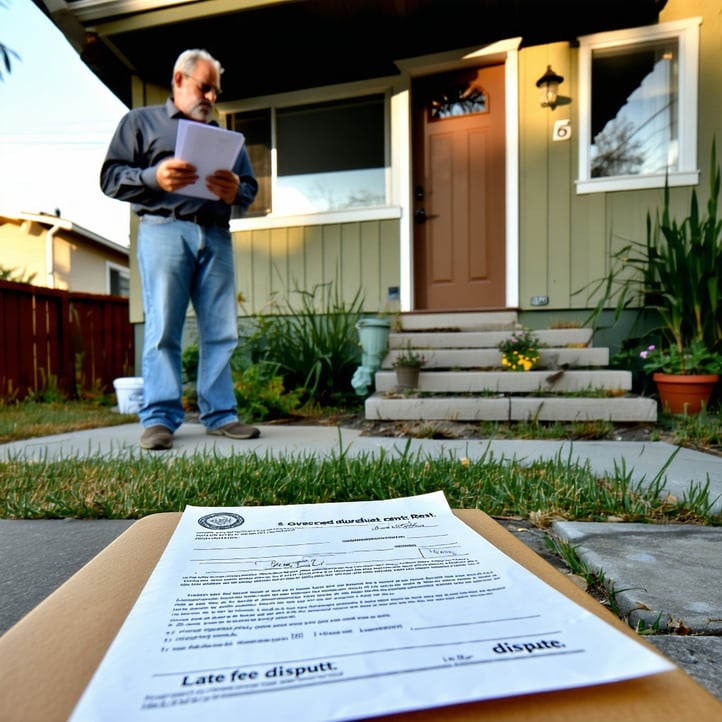
I'll call her Sarah, for the purpose of this post. She owned a home here in Carlsbad and rented it out herself for years. On paper it worked. The rent covered what it needed to cover, the house was appreciating, and every spreadsheet she built said keep it.
What the spreadsheet didn't have a column for: the rent that showed up late most months, and the small conversation she had to have about it every time. The repair calls that came in while she was at work. The low background hum of not being sure whether the thing she was about to say to her tenant was legal. She wasn't losing money. She was losing evenings, and a little bit of nerve.
Then her tenant lost his job and stopped paying. That's the moment the question stops being theoretical. Sarah wasn't wondering whether the house was a good asset anymore. She was wondering whether one wrong step was going to put her in a courtroom.
Here's the part worth sitting with: the house never stopped being worth it. Her math was fine the whole time. What wasn't worth it was the way she was carrying it. That distinction is the whole answer to this question, and almost nobody frames it that way, because the people writing about it are usually selling you a mortgage, a policy, or a property to buy.
The money ledger: what the house actually nets
Start here, because if the money ledger doesn't work, nothing else matters. And the number that matters isn't rent minus mortgage. That's the number that makes people feel good in year one and blindsides them in year three.
The honest version is rent minus the full cost stack: taxes and insurance (and if you converted a home you used to live in, your insurance is changing, which we walked through in our guide to landlord insurance vs homeowners insurance), routine maintenance, the capital items that don't fail every year but do fail (water heater, HVAC, roof, appliances), vacancy between tenants, turnover costs, and management if you're not doing it yourself. We put real numbers on the maintenance piece in how much to budget for rental property maintenance, so I won't recompute it here. Use that budget, not optimism.
Run your house through that and one of three things happens. It nets comfortably positive, in which case the money ledger says yes and you're really deciding on time and risk. It nets close to zero but you're paying down principal in a market where North County homes have held their value, in which case the money ledger says "yes, slowly," and your real question is whether you can absorb a bad month. Or it nets negative even before a repair, in which case the money ledger is telling you something real, and the honest next read is our rent or sell guide rather than this one.
One line owners consistently underweight: vacancy. A month empty costs more than a year of the rent difference people agonize over, which is why pricing right and leasing fast beats holding out for the number you wanted.
The time ledger: it isn't the hours, it's when they happen
People always ask how many hours a month a rental takes. It's the wrong question. The total isn't the problem. The scheduling is.
A rental doesn't produce work at convenient intervals. It produces nothing for six weeks and then a water heater at 9 p.m. on a Sunday, a lease renewal that needs current California addendums during the week you're on vacation, a showing request from a good applicant who's only free at 4 p.m. Tuesday. Miss that one and they go see someone else's house.
That's why "I only spend a couple hours a month on it" and "this is exhausting" are both true statements from the same owner. The hours are small. The interruptions are not, and a nine-to-five doesn't schedule around them. If you're out of the area, the problem compounds, and we broke that version down in managing a rental property from out of state.
The hidden cost here is delay. When an owner has to approve every repair, small things sit. A dripping faucet waits nine days for a decision, and the tenant who lived with it remembers it at renewal time. That's how a $180 problem turns into a turnover, and turnovers are expensive. It's why we work from a $500 maintenance reserve and a standing threshold instead of a phone tree. Our residents renew 73% of the time and rate maintenance 4.9 out of 5, and those two numbers are the same number wearing different clothes.
The risk ledger: the part California adds
This is the ledger the national "pros and cons" articles skip entirely, and in California it's the one that decides the answer for a lot of owners.
Renting out a home here means operating inside a body of law with real teeth. Screening has to be applied consistently to every applicant, every time, because inconsistency is exactly what a fair-housing complaint is made of (we covered doing it right in tenant screening in California). Rent increases on a sitting tenant are limited in amount and frequency, and the reasons you can end a tenancy are limited too; the practical version is in how to legally raise rent in California. Security deposits are capped and have to come back on a clock, which we covered in how much security deposit a landlord can charge. Habitability obligations are not optional and not negotiable, and ignoring a small one gets expensive fast, as in the broken fan that cost a landlord $8,000. Entry into an occupied home is restricted in ways that surprise most owners.
None of that makes being a landlord a bad idea. Plenty of owners self-manage in California and do it well. But it does mean the risk ledger has a price, and the price is either study time or delegation. What it can't be is ignored, because the mistakes in this ledger don't cost you a bad month. They cost you a claim, a refund, or a judgment.
Worth saying plainly: we're property managers, not attorneys. Everything above is general information about the landscape, not legal advice, and a real question about your situation belongs with a lawyer.
The worth-it ledger, side by side
Here's the version I'd sketch on a napkin if you asked me this over coffee. Three ledgers, and for each one: what stays yours no matter what, what a system can absorb, and what nobody can control.
| Ledger | Stays yours either way | What a system absorbs | What nobody controls |
|---|---|---|---|
| Money | The mortgage, taxes, insurance, and capital items. You own the asset, so you own its cost stack. | Pricing to the actual market, leasing fast, keeping good residents so turnover doesn't eat the year, catching small repairs before they're big ones. | Interest rates, property tax assessments, insurance markets, what the roof decides to do. |
| Time | The decisions that are genuinely yours: hold or sell, renew or reset, spend or defer on a big item. | Every interruption. Showings seven days a week, after-hours maintenance calls, renewals, rent follow-up, the 9 p.m. Sunday water heater. | When things break. It's never a convenient week. |
| Risk | Ultimate legal responsibility as the owner. It's your property and your name. | The process risk: consistent screening, compliant notices and addendums, documented condition, a paper trail that holds up. | Whether a resident loses a job. Whether the law changes next January (it usually does). |
Read the middle column again. That's the entire argument. Almost everything that makes people say "being a landlord isn't worth it" lives in the middle column, and the middle column is optional.
When it honestly isn't worth it
I'd rather tell you this now than have you find out later.
It's not worth it if the numbers only work when nothing goes wrong. If a $4,000 repair or a two-month vacancy would genuinely hurt, the house is running you rather than the other way around. That's not a management problem, it's a math problem, and management can't fix math.
It's not worth it if you want the money out. Some owners don't want a rental, they want liquidity, or simplicity, or to be done. That's a completely legitimate answer, and the right read there is whether to rent or sell, not how to be a better landlord.
Professional management specifically isn't the fit if you want to be involved in every small repair, or if your top priority is the lowest possible fee. I'd rather say that up front than take on an owner who's going to be frustrated by how we work. Some owners genuinely enjoy the hands-on part, have the time for it, and have the appetite to keep up with California law. For them, self-managing is a good answer, and I'll say so.
What I'd push back on is the middle case: the owner who doesn't enjoy it, doesn't have the time, and is doing it anyway because it feels like the responsible choice. That's the one that quietly costs the most, and it's Sarah's case.
What changes when the drama becomes optional
Sarah's story ends the way most of them do once the middle column gets handled. We took over the communication, worked the nonpayment through California's process step by step, and got it resolved without a lawsuit. Then we screened and placed a stronger resident, tightened the lease, and got the home rented quickly.
What she noticed first wasn't the money, though the money got better. It was that the rent arrived, the maintenance was organized, and nobody needed anything from her on a Sunday night. She got her evenings back, and she stopped bracing.
The unglamorous version of what changed: rent is collected on a schedule and paid out to the owner on the 12th, so income is predictable instead of an ongoing negotiation. Maintenance runs against a standing reserve, so small things get fixed the same week. An annual maintenance review finds problems on purpose instead of by surprise. And applications get screened the same way every time, which is both the fair-housing answer and the reason the numbers hold: 99.2% of the rent collected across the entire rent roll since 2018, straight through COVID, with zero evictions in that time.
None of that is magic. It's just the middle column, done by someone whose Tuesday is built for it.
So: is being a landlord worth it?
For most people who already own the house: yes, and more so than the internet suggests, because most of what makes it miserable is the delivery method rather than the asset.
Work the three ledgers in order. If the money ledger nets positive against real costs, the asset is worth keeping. If the time ledger fits your actual life, self-manage and enjoy it. If it doesn't, the choice isn't between "landlord" and "not landlord," it's between carrying the middle column yourself and handing it to someone else. And if the money ledger doesn't work at all, then the honest answer is that this particular house may not be worth keeping, which is a different and equally respectable decision.
If you've decided yes and want the practical next step, our guide to how to rent out your house is the operational version, and if the house came to you rather than being something you chose, start with inheriting a rental property in California. If you're weighing delegation, should you hire a property manager covers how to think about it and what property management costs covers the fee side. And if you own here and want the local version of all of this, that's what we do: full-service property management in Carlsbad and across North County, for single-family homes and condos, since 2018.
Frequently asked questions
Is being a landlord worth it in 2026?
For an owner who already has the home, usually yes, provided the rent covers the full cost stack rather than just the mortgage payment. What makes it feel not worth it is rarely the asset and usually the delivery: unpredictable interruptions, slow repairs, and California's compliance exposure. Those are the parts that can be delegated. If the property can't absorb a major repair or a two-month vacancy without real pain, that's a math problem, and the honest question becomes whether to rent or sell.
What are the real pros and cons of being a landlord?
The pros: rental income, principal paydown, long-term appreciation, tax treatment of an income property, and keeping an asset in a market you believe in. The cons: vacancy and turnover costs, capital repairs that arrive on their own schedule, interruptions that don't respect your calendar, and legal exposure in California around screening, rent increases, deposits, habitability, and entry. Most of the cons are process costs, which means they respond to systems. Most of the pros are asset facts, which don't change based on who does the work.
How much time does managing a rental actually take?
Less time than owners expect and at worse moments than they expect. Most months are quiet. The cost isn't the hour count, it's that the hours arrive unscheduled: a 9 p.m. maintenance call, a showing request from a qualified applicant who's only free midday, a renewal that needs current California addendums during a week you're traveling. Owners who find it manageable usually have flexible schedules and live nearby. Owners who find it draining usually have neither.
Is being a landlord worth it in California specifically?
California adds a real compliance layer: limits on how much and how often you can raise rent on an existing tenant, limits on the reasons you can end a tenancy, a cap on security deposits with a strict return deadline, firm habitability obligations, and tight rules about entering an occupied home. None of that makes it not worth it, and plenty of owners self-manage here successfully. It does mean the risk ledger carries a price, paid either in study time or in delegation. It should not be ignored, and specific legal questions belong with an attorney.
Should I just sell instead?
Sometimes, and it's a legitimate answer rather than a failure. Selling tends to make sense when the property can't cover its real costs, when you need the equity for something else, or when you simply want to be done. Keeping tends to make sense when the numbers work, the location is strong, and the only thing standing between you and a good outcome is the day-to-day work, which is the part that can be handed off.
Raintree Property Management provides full-service property management for single-family homes and condos across North County San Diego, including Carlsbad, Encinitas, Oceanside, San Marcos, Vista, Escondido, Del Mar, and Solana Beach. CalDRE #02073946. "Sarah" is a composite drawn from common owner situations, not a specific client. This article is general information about property ownership and management, not legal, tax, or financial advice.
Want a deeper reference for California landlord compliance, screening, and tax tracking? The Profit Protection Kit is a free four-document set: a CA compliance checklist, screening red-flags worksheet, rental tax tracker spreadsheet, and the current North County rental market snapshot. No phone call, no sales follow-up. Read at your pace.
Raintree Property Management, CalDRE 02073946.